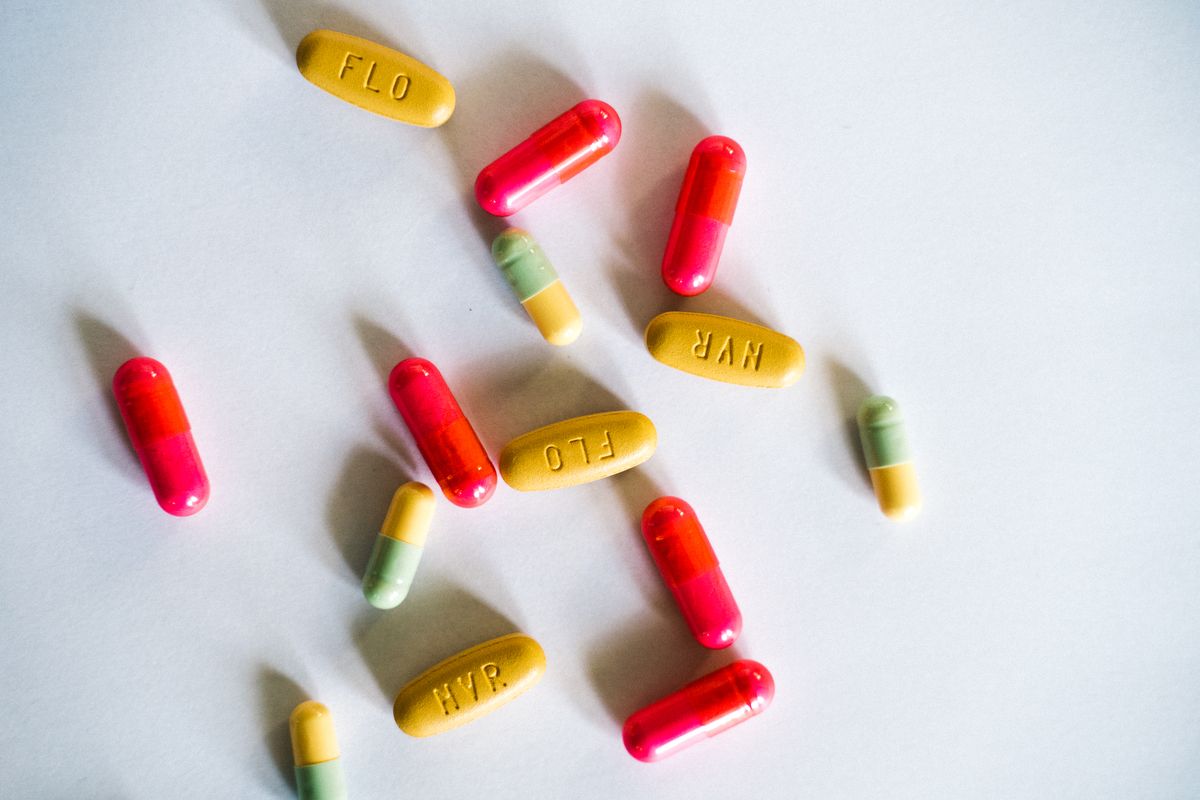
The era of injection-only GLP-1 therapy ended on April 1, 2026, when the FDA granted approval to Eli Lilly's orforglipron—branded as Foundayo—making it the first daily oral GLP-1 receptor agonist approved for chronic weight management in adults with obesity.
The approval was based on the ATTAIN phase 3 program, which enrolled over 7,000 participants. The headline: 7–9% mean body weight loss over 36 weeks at the highest approved dose of 36mg daily, with a safety profile consistent with injectable GLP-1 medications.
The Convenience Factor
Orforglipron's efficacy falls short of injectable tirzepatide's 20% or semaglutide's 15%. But the real story is accessibility. A daily pill eliminates injection anxiety that keeps an estimated 30% of eligible patients from starting GLP-1 therapy.
"The biggest barrier to GLP-1 adoption has never been efficacy. It has been willingness to inject. This changes the calculus for millions of patients." — Dr. Robert Kushner, Northwestern University
Pricing and Market Impact
Eli Lilly priced Foundayo at $149 per month—significantly below Wegovy's $675/month and Zepbound's $550/month. Wall Street reacted immediately: Novo Nordisk shares dropped 4.2%, Lilly gained 6.8%. Compounding pharmacy stocks fell an additional 12–18%.
Your GLP-1 Should Come With a Protocol
Pill or injection—the medication is only half the equation. Labs, protein targets, resistance training, and physician oversight make the difference.
Start Your Program →What This Means for Patients
For patients with BMI 30–35 and moderate comorbidities, 7–9% may be sufficient. For BMI 40+ or serious weight-related conditions, injectable tirzepatide's 20%+ efficacy remains the gold standard. The critical point: a prescription without a protocol—without lab monitoring, protein targets, resistance training, and a discontinuation plan—is incomplete care regardless of route.
The Pipeline Beyond Orforglipron
Novo Nordisk's oral semaglutide 50mg (for obesity) is expected to file mid-2026. Structure Therapeutics and others have oral GLP-1 candidates in Phase 2. By 2028, oral formulations could represent 35–40% of the total GLP-1 obesity market.
The oral option is welcome, but physicians must resist viewing it as requiring less monitoring. The metabolic consequences of rapid weight loss—muscle loss, micronutrient depletion, bone density changes—are driven by weight loss itself, not route of delivery.